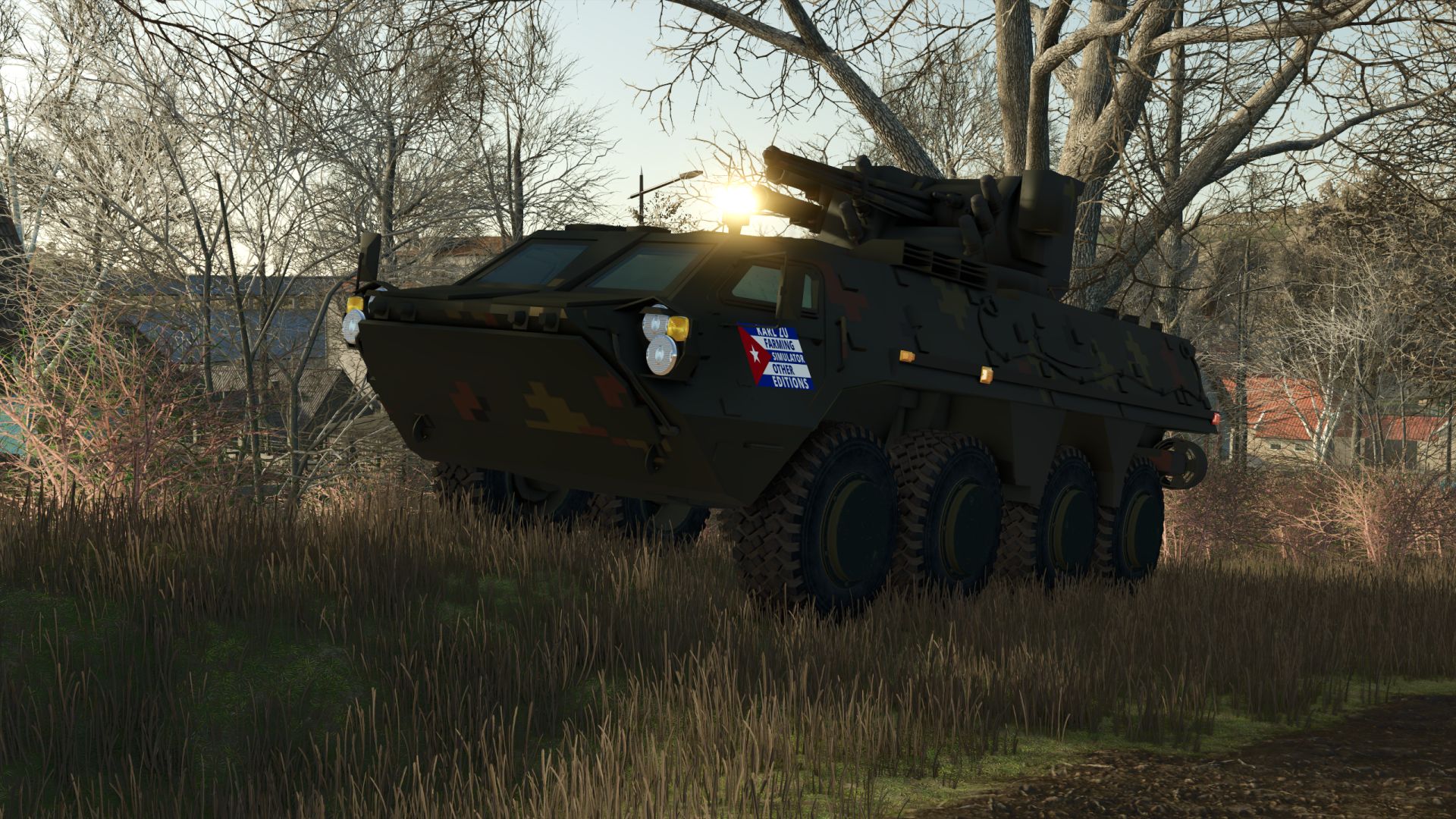
BTR-4E V1.0
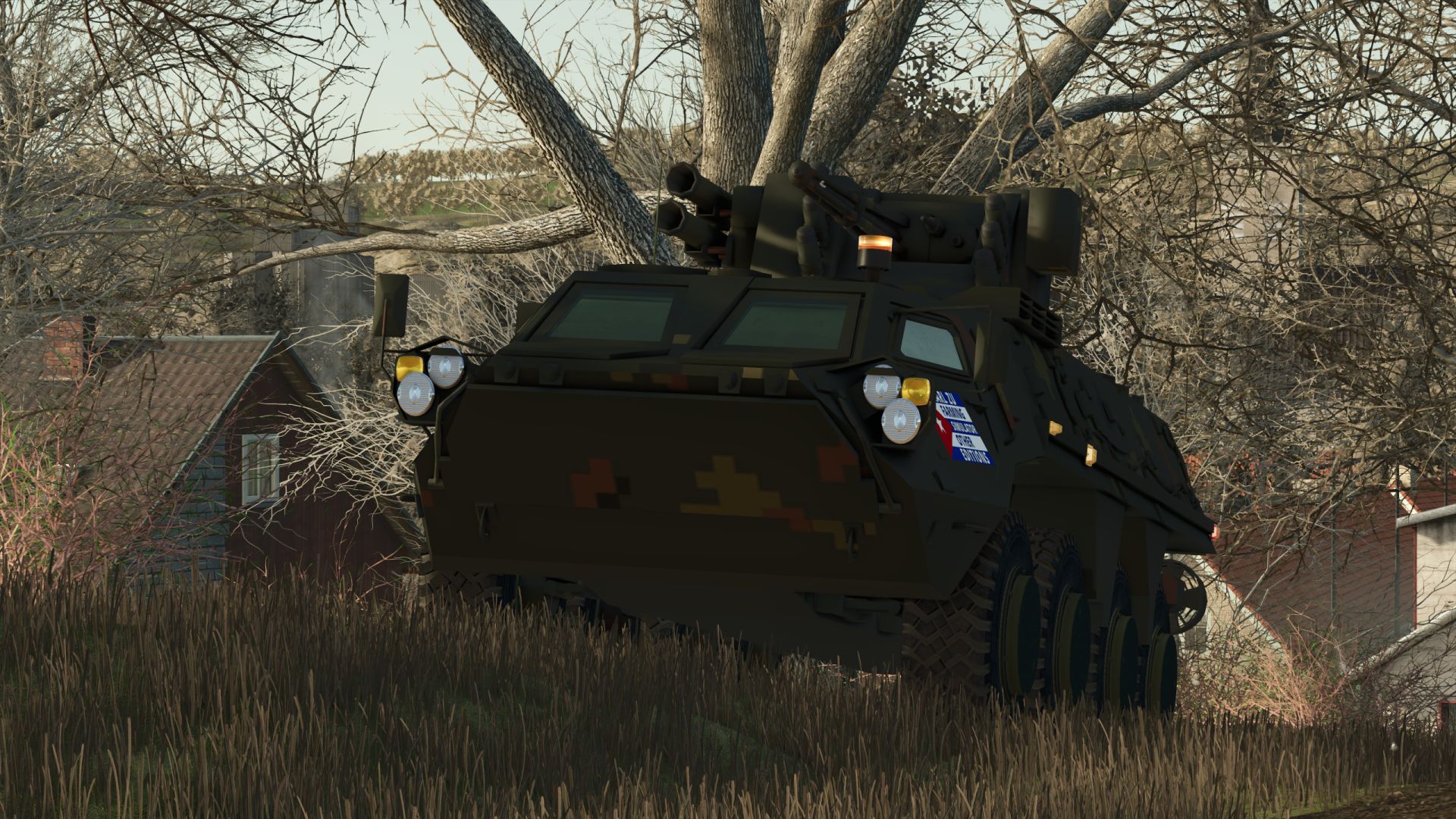
BTR-4E V1.0
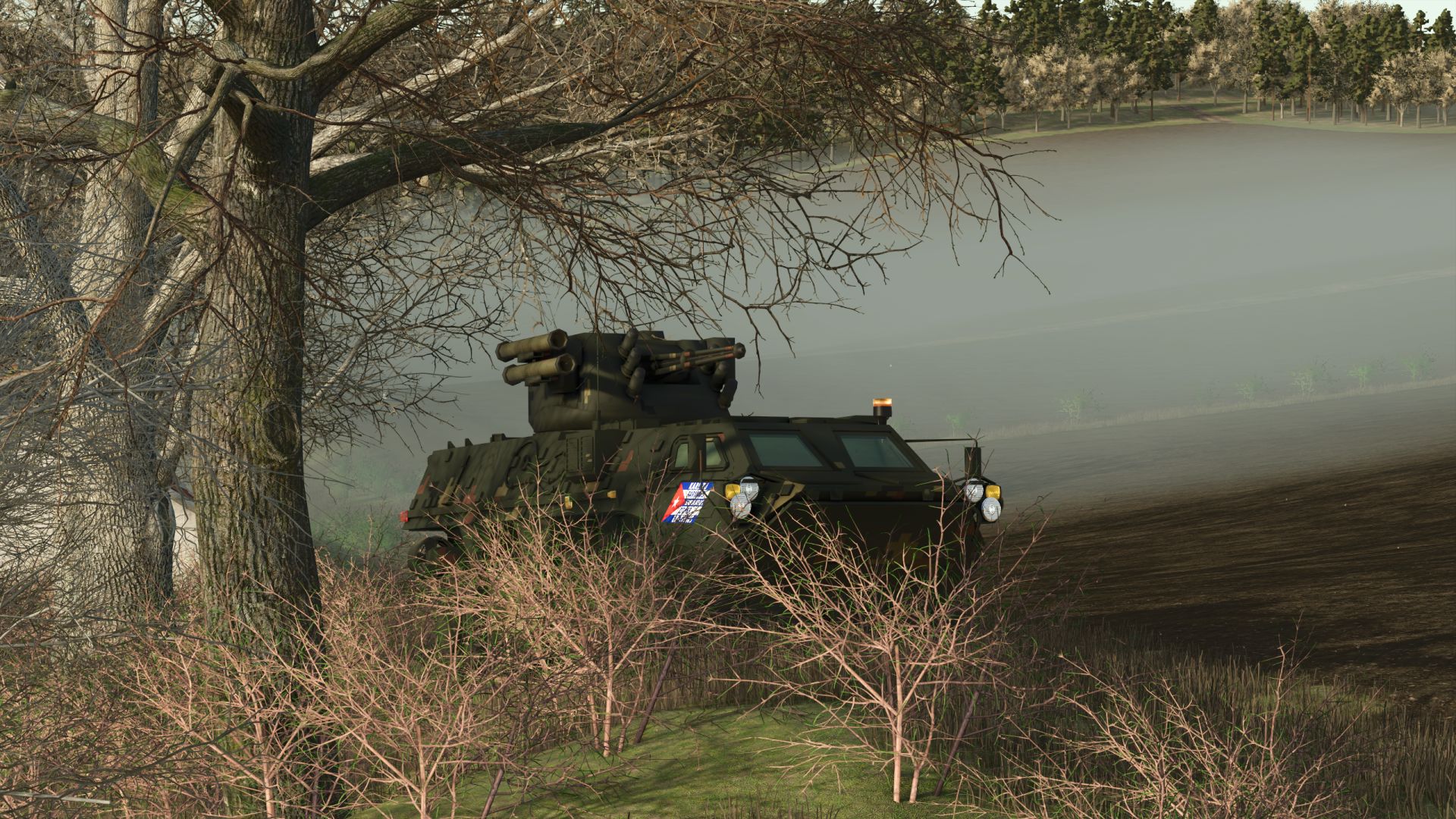
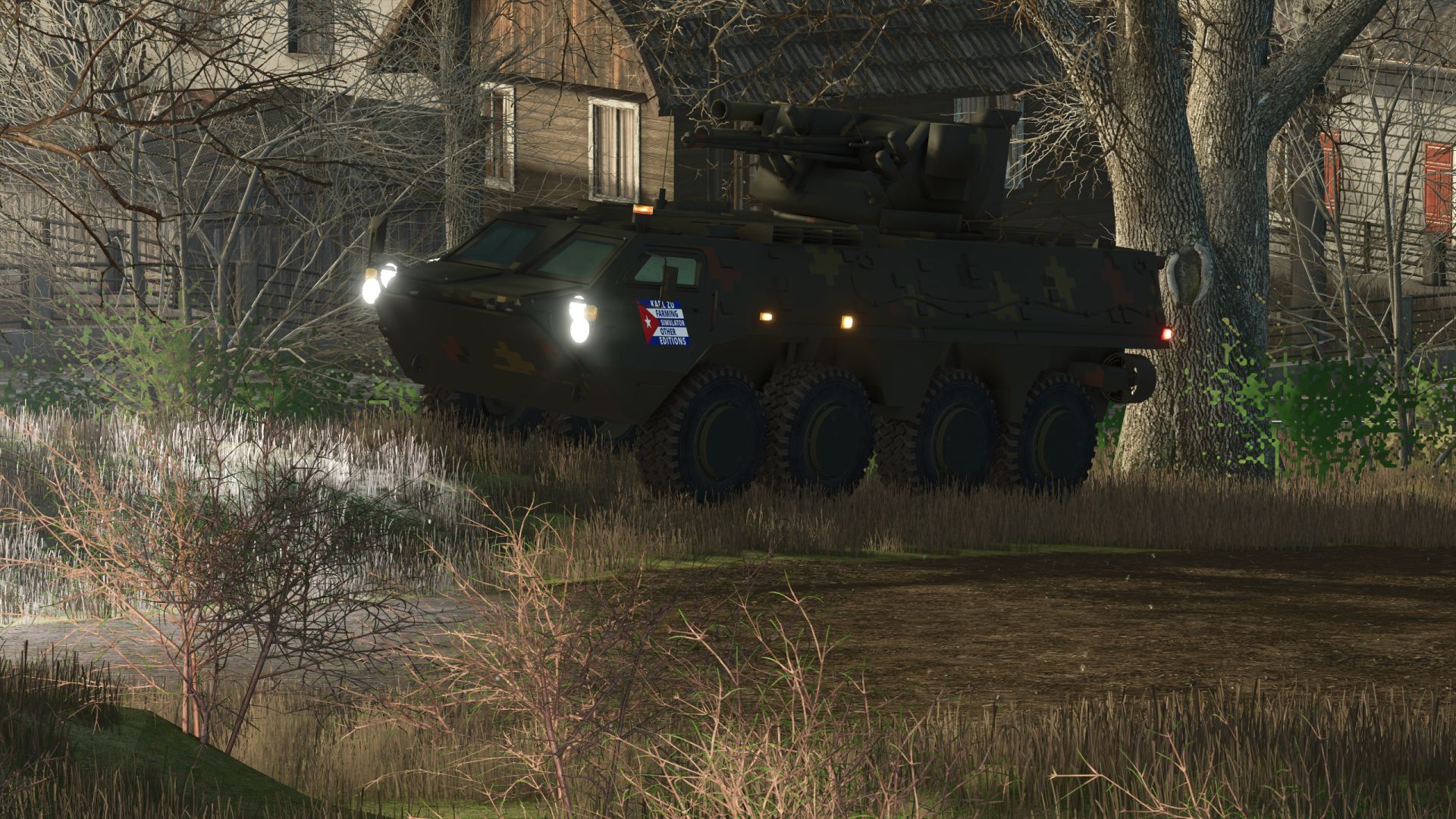
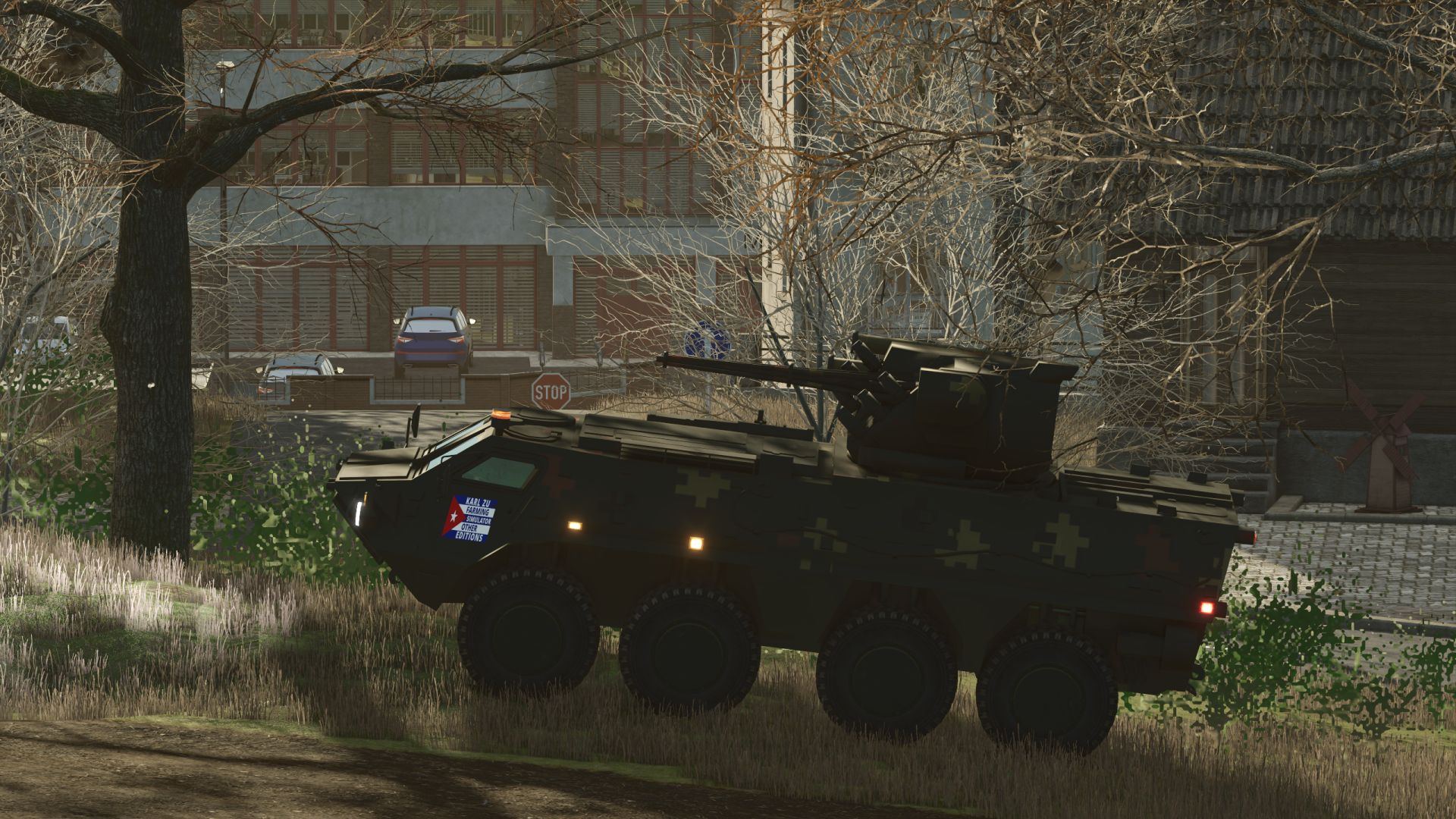
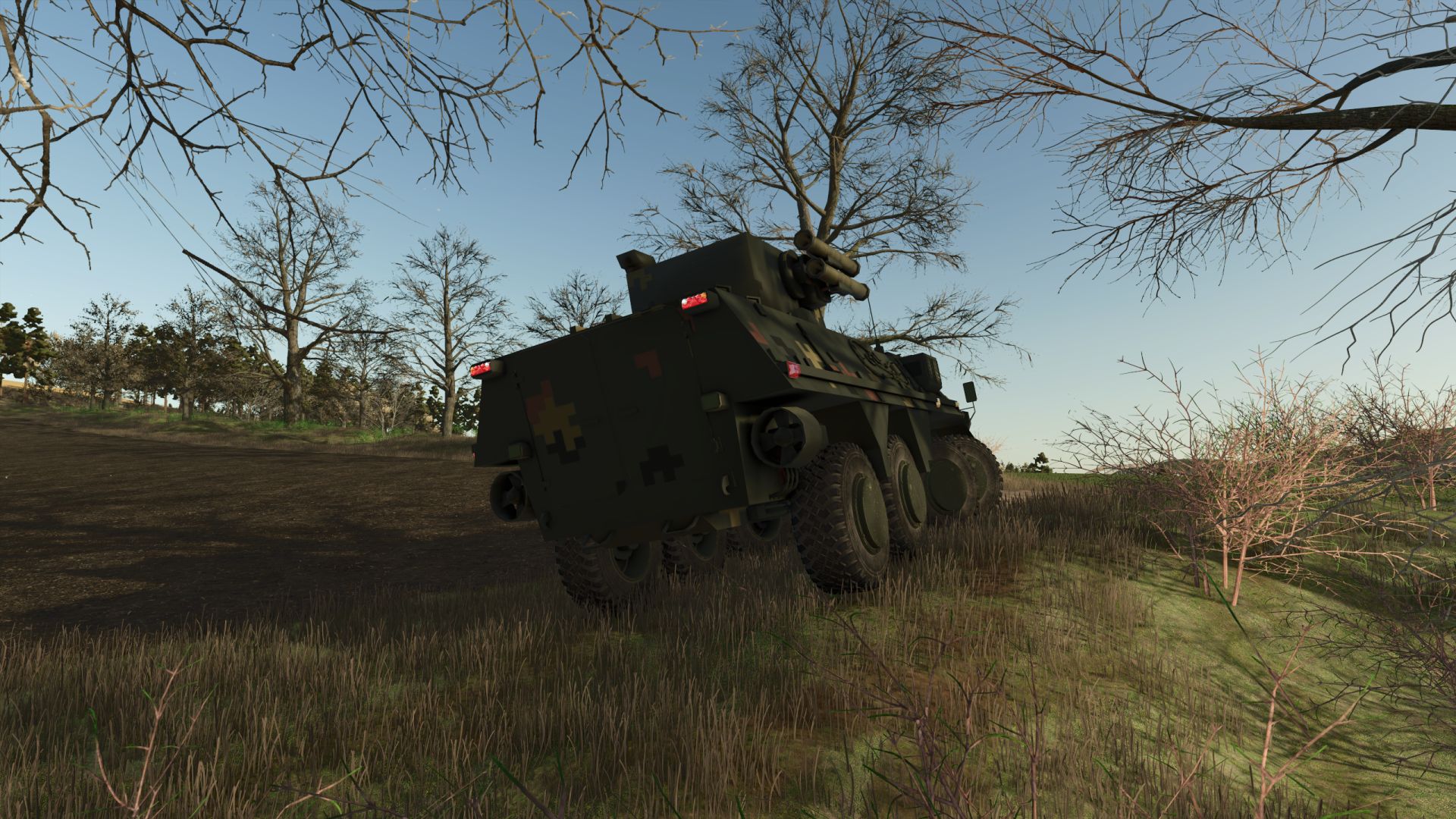
The BTR-4E “Bucephalus” features a highly modular and advanced turret design, which is a significant departure from the classic Soviet-era turret configurations found on the BTR-60/70/80 series. The BTR-4E typically utilizes the BM-7 “Parus” remote-controlled weapon station (RCWS), although the platform is designed to accommodate various weapon modules based on customer requirements.
Technical Characteristics
Remote Operation: The Parus turret is unmanned, meaning it is operated entirely from within the protected hull by the gunner and commander. This significantly increases crew survivability, as they are not exposed to enemy fire during reload or operation.
Primary Armament: The standard configuration includes a 30mm ZTM-1 automatic cannon (a derivative of the 2A72), providing high firepower against light armored vehicles, fortifications, and personnel.
Secondary Armament:
Coaxial 7.62mm machine gun: For suppressing infantry.
30mm automatic grenade launcher (AGL): Typically a KBA-117, offering area denial capabilities.
Anti-Tank Guided Missiles (ATGMs): Usually twin-tube “Bar’yer” launchers capable of engaging heavy armored targets at long ranges.
Fire Control System (FCS): The turret is equipped with a modern, digital FCS featuring day/night thermal imaging channels, laser rangefinders, and automated target tracking, which allows for accurate firing on the move.
Military Importance
Increased Survivability: By moving the crew out of the turret and into the hull, the BTR-4E offers much higher protection levels compared to traditional designs where the gunner’s head is often partially exposed or vulnerable.
Situational Awareness: The remote turret is integrated into the vehicle’s digital battlefield management system. Commanders can feed target data directly into the turret’s FCS, enabling rapid engagement.
Modular Payload: The turret design allows for “plug-and-play” capability. If the mission dictates, the turret can be swapped or upgraded with different sensor suites or weapon configurations without re-engineering the entire vehicle.
Operational Performance
Engagement Capabilities: The turret provides a full 360-degree rotation and significant elevation/depression angles, making it highly effective in urban combat environments where targets may appear at varying heights (e.g., upper stories of buildings or basements).
Maintenance: The remote nature of the turret reduces the internal volume required for mechanical turret drives, allowing for more space inside the personnel compartment. It also simplifies maintenance for the gunner, as the internal consoles are standardized electronic units.
Summary
The BTR-4E turret represents the modern standard for 8×8 armored personnel carriers, prioritizing remote lethality, crew protection, and modularity. It transformed the BTR-4E from a simple troop carrier into a potent infantry fighting vehicle (IFV) capable of challenging much heavier tracked platforms in terms of fire support and target acquisition speed.
Author: karl zu